
Are Replica Handbags Worth Buying or a Legal Risk?
Are Replica Handbags Worth Buying or a Legal Risk?
The global fashion industry has long grappled with the existence of replica handbags, a market that generates billions of dollars annually and attracts consumers from virtually every income bracket. For many shoppers, the idea of carrying a bag that resembles a Chanel or Gucci piece without paying the four-figure price tag is simply too appealing to resist. However, the decision to purchase a replica is far more complex than it might initially appear. From legal implications to quality concerns, ethical debates, and practical considerations, the world of replica handbags demands careful examination. This article explores every angle of the topic, helping potential buyers make informed decisions before reaching for their wallets.
Key Points
- Replica handbags appeal to budget-conscious fashion lovers who want designer aesthetics without premium costs.
- Buying and selling replicas carries significant legal risks in most countries due to trademark and copyright laws.
- Quality among replicas varies enormously, and knowing how to identify better-made pieces matters.
- Proper care and storage can extend the life of any handbag, including replica versions.
- Consumers must exercise caution when choosing where to purchase replicas online.
- Understanding the full landscape helps buyers weigh the financial, legal, and ethical trade-offs.
The Appeal of Replica Handbags: Fashion on a Budget
Fashion has always been a form of self-expression, and luxury handbags occupy a uniquely aspirational space in that world. The desire to participate in high-fashion culture without bearing the financial burden drives millions of consumers toward the replica market each year.
The gap between average consumer purchasing power and the pricing of luxury goods has never been wider. A genuine Hermès Birkin can cost anywhere from $10,000 to over $100,000, making authentic luxury ownership an impossible dream for most people.
Why People Choose Replica Over Authentic
Price remains the single most compelling reason consumers gravitate toward replica handbags. The aesthetic appeal of a well-crafted replica at a fraction of the original cost creates a powerful value proposition that is difficult to dismiss.
Beyond price, some consumers argue that luxury brand markups are unjustifiably high, paying for heritage and logo prestige rather than genuine material superiority. This perspective positions replica purchasing as a rational economic choice rather than mere imitation.
Social factors also play a role. In certain social circles, projecting an image of style and success matters, and replicas allow individuals to participate in those visual conversations without depleting their savings.
Popular Brands and Styles in the Replica Market
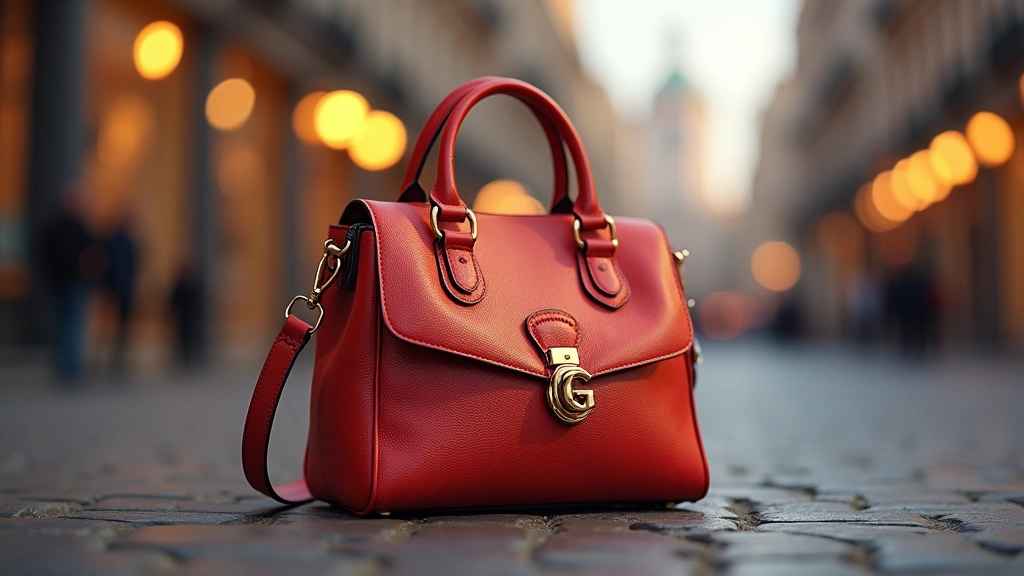
Certain brands dominate the replica market due to their instantly recognizable designs and massive global followings. Chanel's quilted leather flap bags, and Gucci's GG logo pieces consistently rank among the most copied designs worldwide.
The table below highlights some of the most commonly replicated luxury handbag brands and their iconic styles:
| Brand | Most Replicated Style | Original Price Range |
|---|---|---|
| L | L | $1,200 – $2,500 |
| Chanel | Classic Flap, WOC | $5,000 – $12,000 |
| Gucci | Marmont, Dionysus | $1,000 – $3,500 |
| Hermès | Birkin, Kelly | $10,000 – $100,000+ |
Replica versions of these styles can be found at prices ranging from $30 to several hundred dollars, depending on the quality tier and materials used.
Navigating the Legal Minefield: Are Replica Handbags Legal?
One of the most critical questions any potential buyer must confront is whether purchasing replica handbags is actually legal. The short answer is that in most countries, it is not. However, the nuances of enforcement and the specifics of individual laws vary considerably by jurisdiction.
What constitutes a "replica" versus a "counterfeit" also matters legally. A bag inspired by a luxury design may occupy a gray area, while one bearing a copied logo or trademark clearly crosses into illegal territory.
Understanding Copyright and Trademark Laws
In the United States, the Lanham Act prohibits the production, importation, and sale of counterfeit goods bearing registered trademarks. The European Union has similarly stringent protections under its intellectual property directives.
Luxury brands invest heavily in legal teams specifically tasked with protecting their trademarks. They regularly pursue legal action against manufacturers, distributors, and in some cases, even individual buyers.
"Trademark infringement is not a victimless act. It erodes the intellectual property rights that brands have spent decades building and the investments that go with them." — International Trademark Association
Consumers often mistakenly believe that personal purchases are legally protected. In reality, customs officials in many countries are empowered to seize counterfeit goods at the border, leaving buyers without their purchase and potentially subject to fines.
Potential Risks of Buying and Selling Replicas
The risks of engaging with the replica market extend beyond legal penalties. Buyers often find themselves exposed to fraud, receiving nothing after payment or receiving items of far lower quality than advertised.
- Customs seizure of purchased goods without refund
- Personal fines or legal warnings from brand enforcement teams
- Financial fraud by disreputable online sellers
- Exposure to organized crime networks that often operate these supply chains
- Reputational damage in professional settings if discovered
Sellers face significantly harsher penalties, including criminal prosecution, substantial fines, and prison sentences in severe cases. Even unwitting resellers on platforms like eBay have faced legal consequences for trafficking counterfeit goods.
Quality vs. Authenticity: Understanding the Replica Handbag Market
Not all replicas are created equal. The replica market operates on a wide spectrum, from obviously poor imitations sold at street markets to meticulously crafted pieces that require expert authentication to distinguish from genuine articles.
Understanding quality tiers within the replica space helps consumers set realistic expectations and avoid paying premium prices for substandard products.
How to Identify High-Quality Replicas
Experienced buyers look for several indicators when assessing replica quality. Stitching consistency, hardware weight, lining quality, and zipper smoothness are all tell-tale signs of craftsmanship levels.
Higher-quality replica handbags uk typically use genuine leather or high-grade PU leather, feature even stitching, and include well-finished interiors. Lower-tier replicas often show fraying, misaligned patterns, and lightweight plastic hardware within weeks of use.
Comparison shopping across multiple sources and reading detailed buyer reviews with photographs can help consumers avoid the worst offerings in the market.
Common Misconceptions About Replica Handbags
Many consumers believe that expensive replicas are virtually indistinguishable from authentic pieces. While high-end replicas have improved dramatically, trained authenticators can almost always identify subtle differences in materials, construction, and hardware.
Another widespread misconception is that buying replicas harms no one. In reality, the counterfeit trade is linked to broader criminal economies and carries real social costs that extend beyond the luxury industry itself.
Caring for Your Replica Handbag UK : Tips for Longevity
Regardless of the purchase decision made, understanding how to care for a handbag properly significantly extends its useful life. Replica bags often use materials that require more attentive care than authentic luxury pieces, making maintenance knowledge particularly valuable.
Cleaning and Maintenance Best Practices
Regular, gentle cleaning prevents the buildup of dirt and oils that degrade materials over time. A soft, dry cloth used daily to wipe down the exterior is the simplest and most effective maintenance routine.
For deeper cleaning, mild soap diluted in water applied with a soft cloth works well on most faux leather surfaces. Avoid harsh chemical cleaners, which can strip coatings and cause cracking or discoloration.
Hardware on replica bags is often made from zinc alloy rather than brass, making it more susceptible to tarnishing. A gentle metal polish applied sparingly can restore shine and protect against oxidation.
Storage Solutions to Prevent Damage
Proper storage is arguably as important as regular cleaning. Stuffing a bag with tissue paper or a bag insert while not in use helps it retain its shape and prevents creasing in the material.
Storing bags in dust bags or pillowcases protects them from light exposure, which can fade materials and affect color consistency over time. Avoid stacking heavy items on top of stored bags, as sustained pressure distorts shape permanently.
Climate also matters. Humid environments promote mold growth on organic materials, while excessively dry conditions cause cracking. A cool, dry storage area is ideal for any handbag.
Where to Buy Replica Handbags Safely and Securely
For those who choose to proceed with a replica purchase despite the associated risks, understanding how to navigate the buying landscape is essential. The online marketplace is vast and largely unregulated, creating significant challenges for consumers seeking reliable sources.
Reputable Online Stores for Replicas
While naming specific vendors carries its own complications, certain characteristics distinguish more reliable sellers from outright scammers. Established seller histories, verified customer reviews, transparent return policies, and responsive customer service are positive indicators.
Forums and communities dedicated to replica fashion often provide buyer feedback, comparative photographs, and seller rankings based on collective experience. These resources, while operating in legal gray areas themselves, can provide practical guidance for buyers already committed to purchasing.
Red Flags to Watch Out For
Several warning signs indicate a potentially fraudulent or extremely low-quality seller. Recognizing these red flags before making any payment protects both the buyer's finances and their expectations.
- No verifiable contact information or physical address provided
- Prices dramatically lower than even typical replica market rates
- Stock photographs rather than actual product images
- No clear refund or dispute resolution policy
- Payment methods exclusively through untraceable channels like cryptocurrency
Consumers should also be wary of sellers operating through temporary social media accounts with no transaction history. Legitimate replica sellers, however ethically questionable their trade, typically build visible seller reputations over time.
Result
The world of replica handbags is layered with genuine complexity, balancing the understandable desire for accessible fashion against serious legal, ethical, and practical concerns. Buyers who enter this market without full awareness of the risks often find themselves disappointed financially, legally, or both. Making an informed decision requires understanding not just the appeal of replicas, but the full scope of consequences that can accompany a purchase. For many consumers, exploring the pre-owned luxury market or investing in non-branded quality bags may ultimately prove to be a more satisfying and legally sound alternative to replica purchasing.
FAQ
Are replica handbags illegal to buy?
In most countries, purchasing replica handbags that bear copied trademarks is considered illegal under trademark and intellectual property laws. While individual enforcement against buyers varies, customs seizures and fines are genuine possibilities.
What is the difference between a replica and a counterfeit handbag?
The terms are often used interchangeably, but a counterfeit specifically refers to an item bearing a copied trademark or logo, while a replica may broadly mean a style-inspired copy. Legally, items bearing copied trademarks are counterfeit regardless of what sellers call them.
How much do replica handbags typically cost?
Prices vary widely depending on quality tier and brand being replicated. Basic replicas may sell for as little as $30, while high-end replicas described as "1:1" quality can cost several hundred dollars.
Can customs officials seize replica handbags?
Yes. Customs agencies in the United States, European Union, and many other jurisdictions are authorized to seize counterfeit goods at the border. Buyers typically receive no refund for seized items.
Are there ethical concerns with buying replica handbags?
Yes. The replica and counterfeit trade is associated with labor exploitation in manufacturing, funding of organized crime networks, and economic harm to legitimate businesses and their employees.
How can I tell if a replica is high quality before buying?
Look for detailed product photographs rather than stock images, read verified buyer reviews, check for descriptions of materials used, and consult replica fashion communities that provide comparative assessments of sellers and products.
Do replica handbags hold any resale value?
Replica handbags carry virtually no resale value in legitimate markets. Attempting to resell them as authentic constitutes fraud, and selling them as replicas is illegal under trademark laws in most countries.
What are alternatives to buying replica handbags?
Pre-owned luxury handbags from certified resellers, non-branded quality bags from reputable manufacturers, and contemporary designer brands offering more accessible price points are all viable alternatives to replicas.
Can luxury brands take legal action against individual buyers?
While most enforcement efforts target manufacturers and distributors, luxury brands have pursued legal action against individual buyers and resellers in high-profile cases. The risk, though statistically lower, is not zero.
Is the quality of replica handbags improving over time?
Manufacturing techniques in the replica market have improved significantly over the past decade, with higher-tier replicas using better materials and construction methods. However, trained authenticators can still identify differences from genuine luxury goods in virtually all cases.